





















The I Am Workshop
Two opening words. I am. What comes after them can be simple, but finding words you genuinely want to return to takes a little thought.
Sometimes an affirmation sounds beautiful in a notebook and feels nothing like you when you say it aloud. That does not mean you have failed at the practice. The sentence may simply need to meet you a little closer to where you are.
This is a small workshop in writing your own I Am affirmation. Four guidelines, ten quiet minutes and something to write on. No perfect wording required.
Why Begin with I Am?
I try, I want and I hope describe a wish or an effort. I am invites you to name a quality you want to recognise or practise in yourself now.
Think of it as a personal intention rather than a promise that a sentence will change everything. You are choosing a few words to come back to, and a small way to live alongside them.
Four Guidelines for Writing Your Affirmation
One. Bring it into the present
I will be calm looks ahead. I am steady gives you something to practise today. Write your affirmation around the moment you are actually in.
The present can include progress. I am learning to trust myself is just as welcome as I am confident, especially if it feels more honest.
Two. Name what you want to make room for
Rather than building the sentence around what you want gone, try naming the quality you want to bring into your day. Give yourself a direction, not another thing to fight.
Instead of I am not afraid, try I am finding my courage.
Instead of I am not behind, try I am moving at my own pace.
Instead of I do not need approval, try I am learning to trust my choices.
Three. Keep it short enough for a busy morning
A paragraph may belong in your journal. Your everyday affirmation can be smaller. Choose a phrase you can say comfortably in one breath and remember without reaching for your phone.
I am loved. I am steady. I am allowed to rest. Short does not have to mean identical for everyone.
Four. Let it feel believable
You do not need the boldest statement in the room. If I am extraordinary feels too far away, I am finding my voice might be a gentler place to begin.
If a phrase leaves you feeling worse, soften it, change it or leave it aside. Discomfort is not proof that an affirmation is right. The aim is a supportive reminder, not an argument with yourself.
A Ten-Minute Affirmation Exercise
Find a quiet moment and write the words down. There is no special notebook required. A page you can return to is enough.

- Write what is on your mind. One sentence about what feels difficult right now. Not the polished version. The one you would share with a close friend.
- Name what you need. Read it back and ask what you would like more of: rest, recognition, direction, kindness or room to make your own choices.
- Try an I Am statement. Turn that need into a present-tense phrase. You can name a quality or describe a step towards it.
- Read it aloud. Does it feel supportive and possible? If it sounds like someone else's words, make it smaller or more specific.
- Keep the part that matters. Remove anything you do not need. Then choose one small action that could sit beside the sentence today.
For example: I keep saying yes when I need a little space.
The need: clearer boundaries. The affirmation: I am allowed to take my time.
The action: pause before answering one request today.
Three Common Mistakes to Leave Behind
Writing for an audience. Choose the words that answer something real for you, not the ones that would look most impressive on a page.
Changing it before you have lived with it. If a phrase still feels supportive, give yourself time to return to it. If it stops fitting or feels unhelpful, you are free to change it. There is no fixed deadline.
Expecting the words to replace action. Let the affirmation accompany a choice, a conversation or a practical step. It does not replace the work, support or care you may need.
Making Your Affirmation Part of the Day
Attach it to something you already do. The kettle boiling. Opening the curtains. The moment you fasten a clasp.
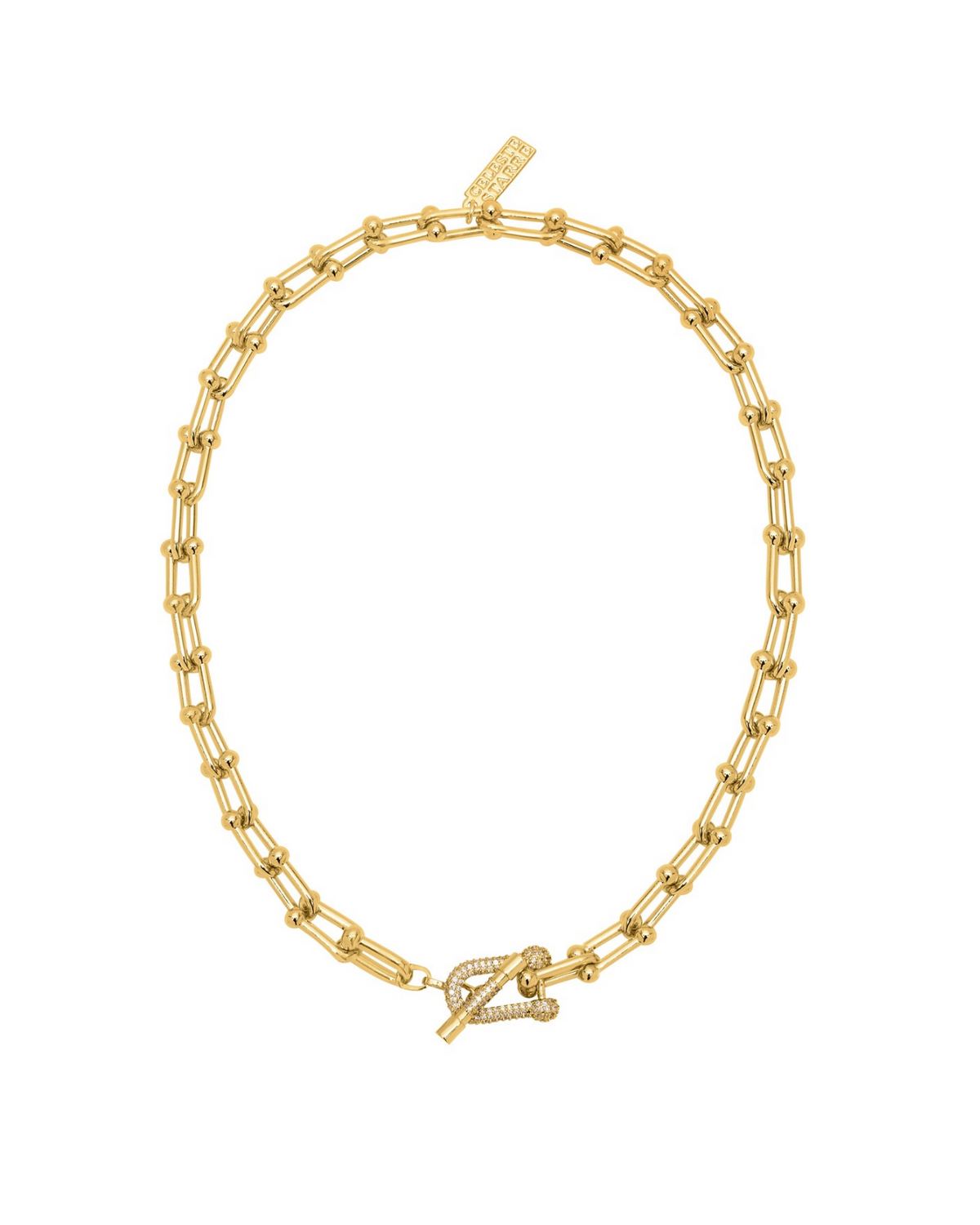
That last one is where jewellery becomes personal. An I Am necklace can be a familiar cue to pause, remember your words and decide how you want to carry them into the day.
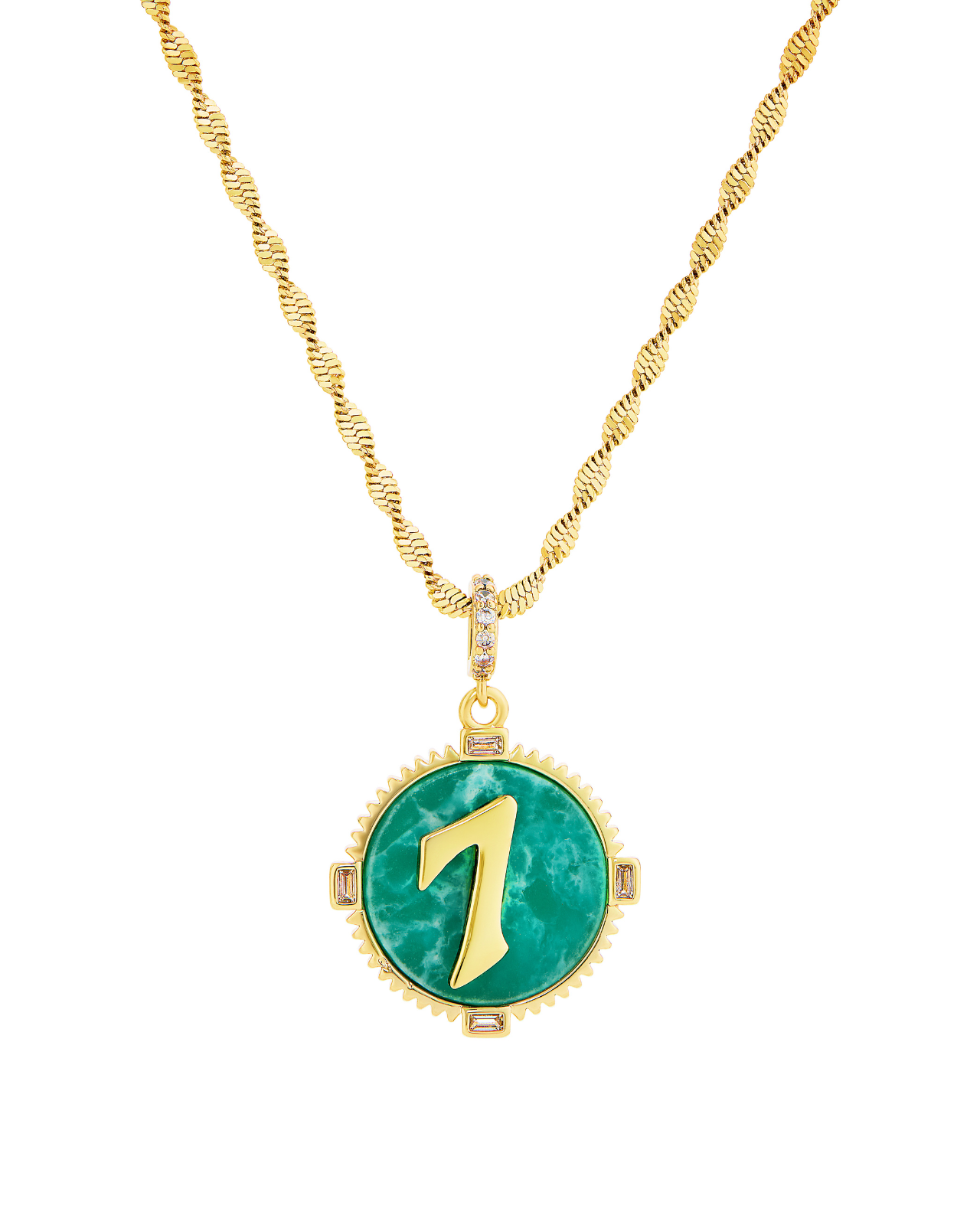
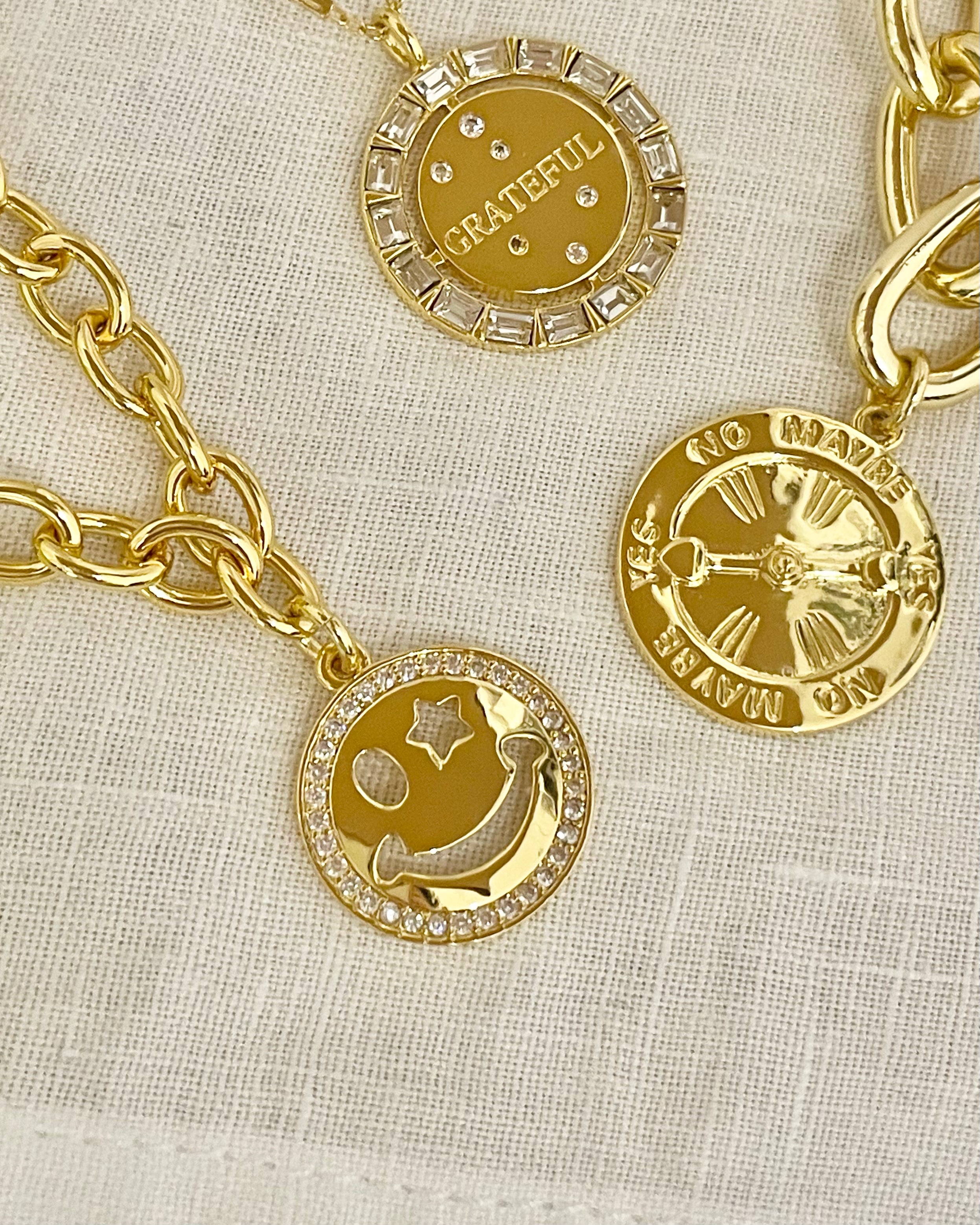
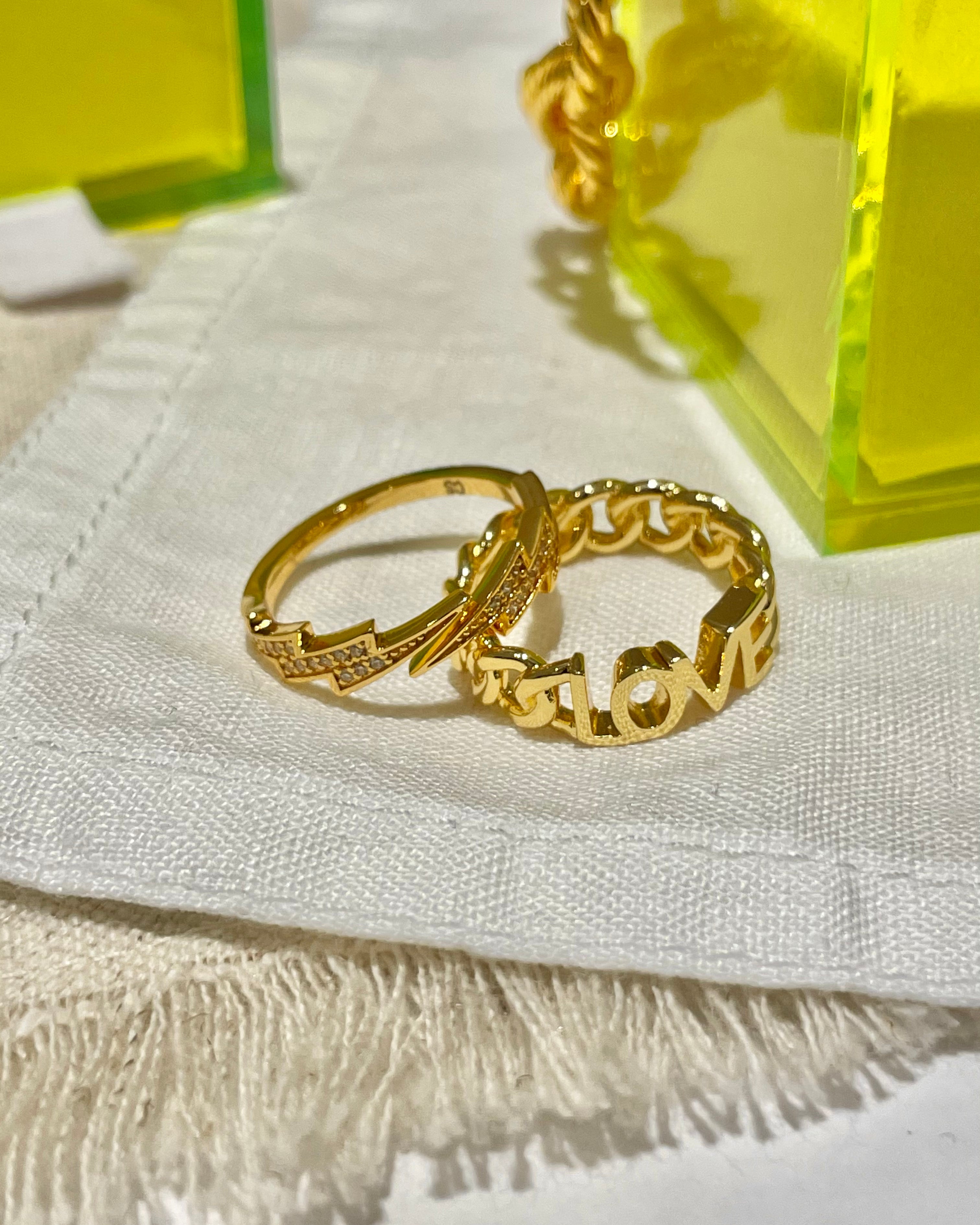
Our I Am collection brings together stone-set pendants, symbolic details and engraved designs. You can choose a piece that shares your affirmation, or one whose meaning sits close to it.
Three I Am Necklaces to Keep Your Words Close
These are starting points, not instructions. Let the words lead, then choose the piece that feels like yours.

For a little more kindness
I Am Loved Necklace
A rose quartz pendant with a gold-plated heart detail and an engraved mantra. If your phrase is I am loved or I am worthy of kindness, let it accompany the small ways you choose to care for yourself.
18k gold plating over brass, with rose quartz and CZ details.
Discover the I Am Loved Necklace
For a reminder of your boundaries
I Am Protected Necklace, Mykonos Edition
Black onyx, an evil eye detail and I Am Protected engraved on the reverse. Wear it as a personal symbol beside a phrase such as I am allowed to take my time. The meaning is yours; the boundary is still a choice you make.
18k recycled gold plating over brass, with black onyx and CZ details.
Discover the I Am Protected Mykonos Necklace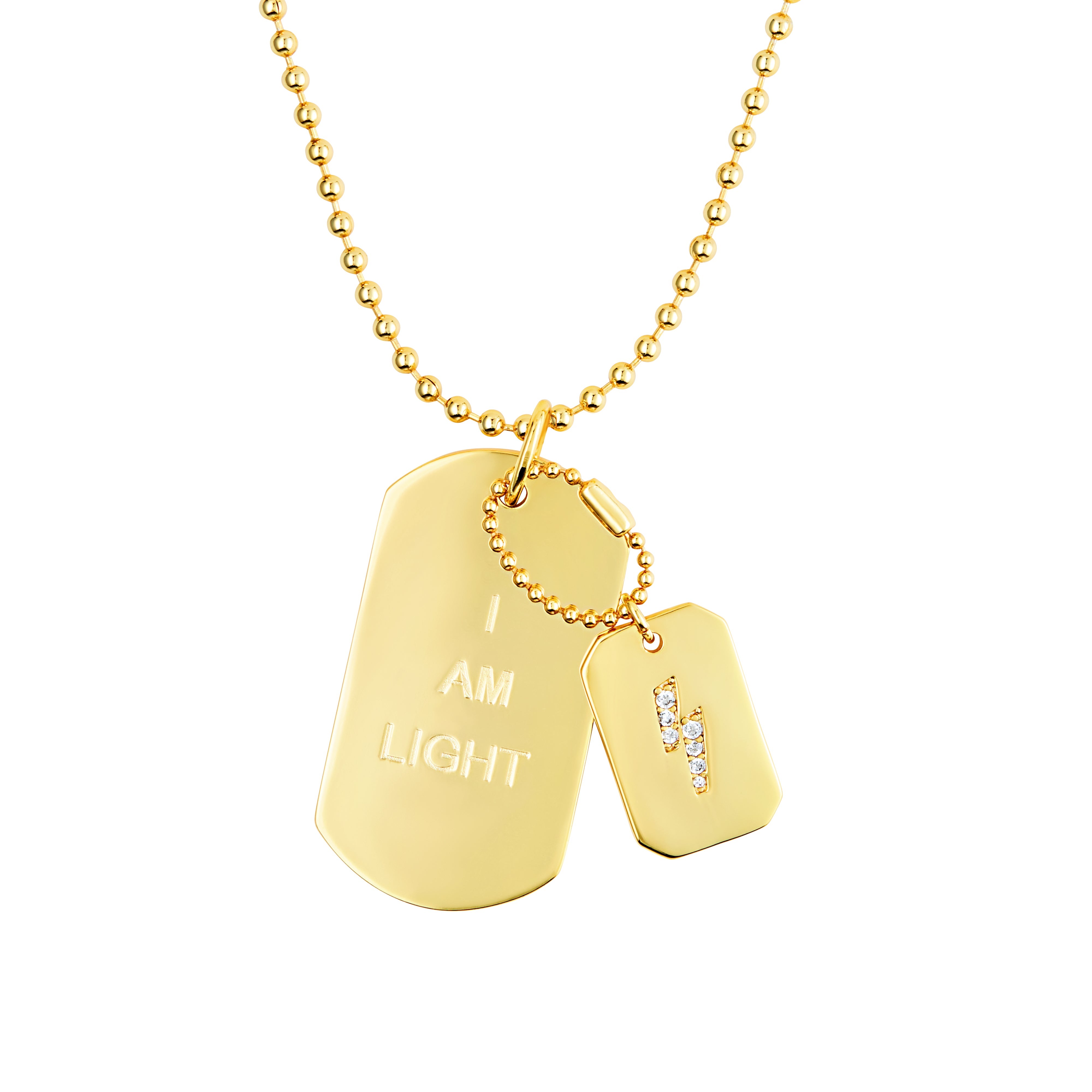
For finding your voice
I Am Light Necklace
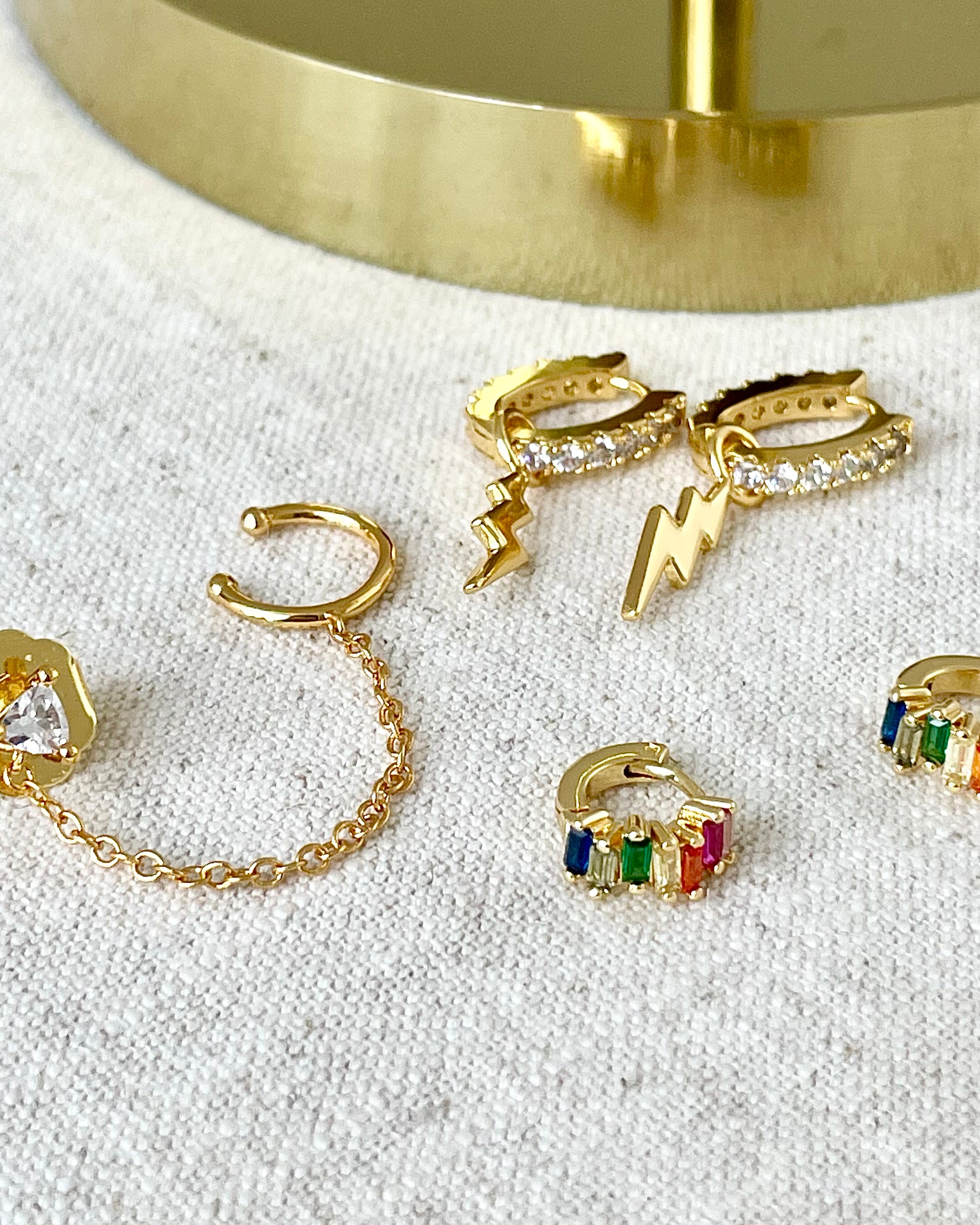
Two dog tag pendants pair a CZ lightning bolt with an engraved I Am Light affirmation. A meaningful companion to I am finding my voice, worn alone or within a necklace stack that feels entirely your own.
18k recycled gold plating over brass, with AAA cubic zirconia details.
Discover the I Am Light NecklaceYour Words Do Not Have to Match a Necklace
If your affirmation is not engraved on a piece, it still belongs to you. Write it in your notebook, keep it somewhere familiar or pair it with jewellery you already love.
Our I Am ritual guide offers a simple way to build a moment around your words. If you would rather begin with a feeling, explore our guide to choosing your I Am necklace.
I Am Affirmation FAQs
How do I write a personal I Am affirmation?
Begin with a quality or intention that matters to you now. Use present-tense wording, keep it easy to remember and choose a phrase that feels supportive rather than forced. Pair it with one small action.
What if my affirmation feels uncomfortable?
Try gentler wording, such as I am learning to trust myself rather than I am completely confident. You do not have to force a phrase that leaves you feeling worse, and discomfort does not prove it is working.
How long should I use the same affirmation?
There is no universal minimum. Keep returning to it while it feels relevant and useful. Review it after a few weeks if you like, and change it whenever your needs change.
How many times a day should I repeat it?
There is no required number. Start with one moment that fits naturally into your day, such as getting dressed. The practice should feel manageable, not like another task you have to complete.
Do I need an affirmation necklace?
No. Jewellery can be a meaningful reminder, but a notebook, a note on your phone or a familiar daily moment can hold the same personal intention. Wearing a necklace does not guarantee a particular outcome.

Start with words that feel like yours. Keep them somewhere close.
Explore the I Am Collection